FOOD COURT INTERIOR About
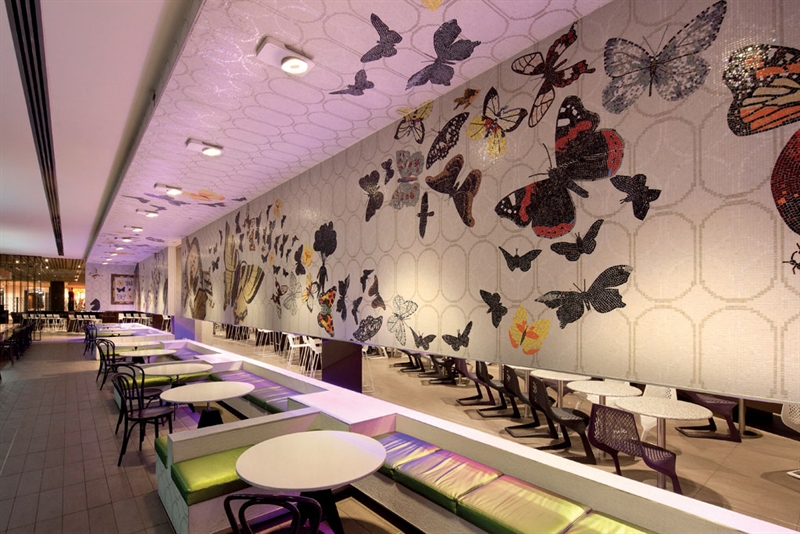
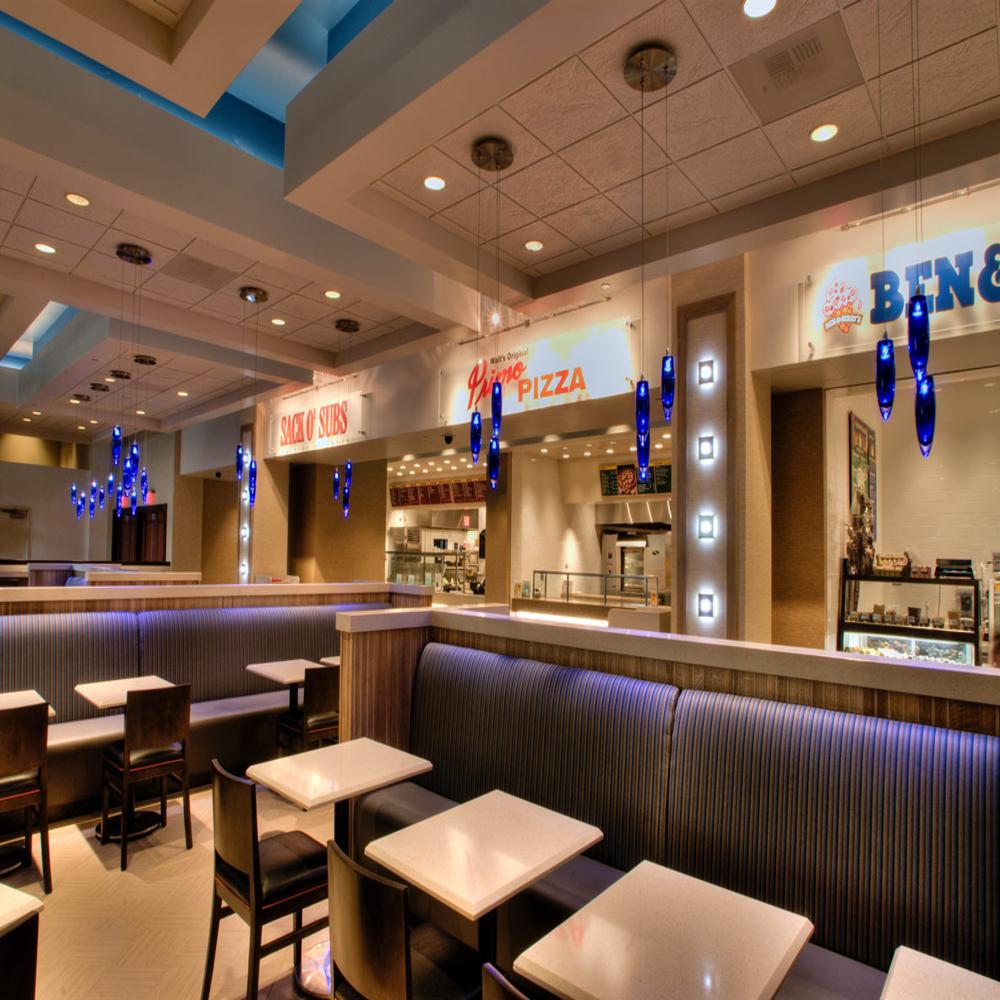
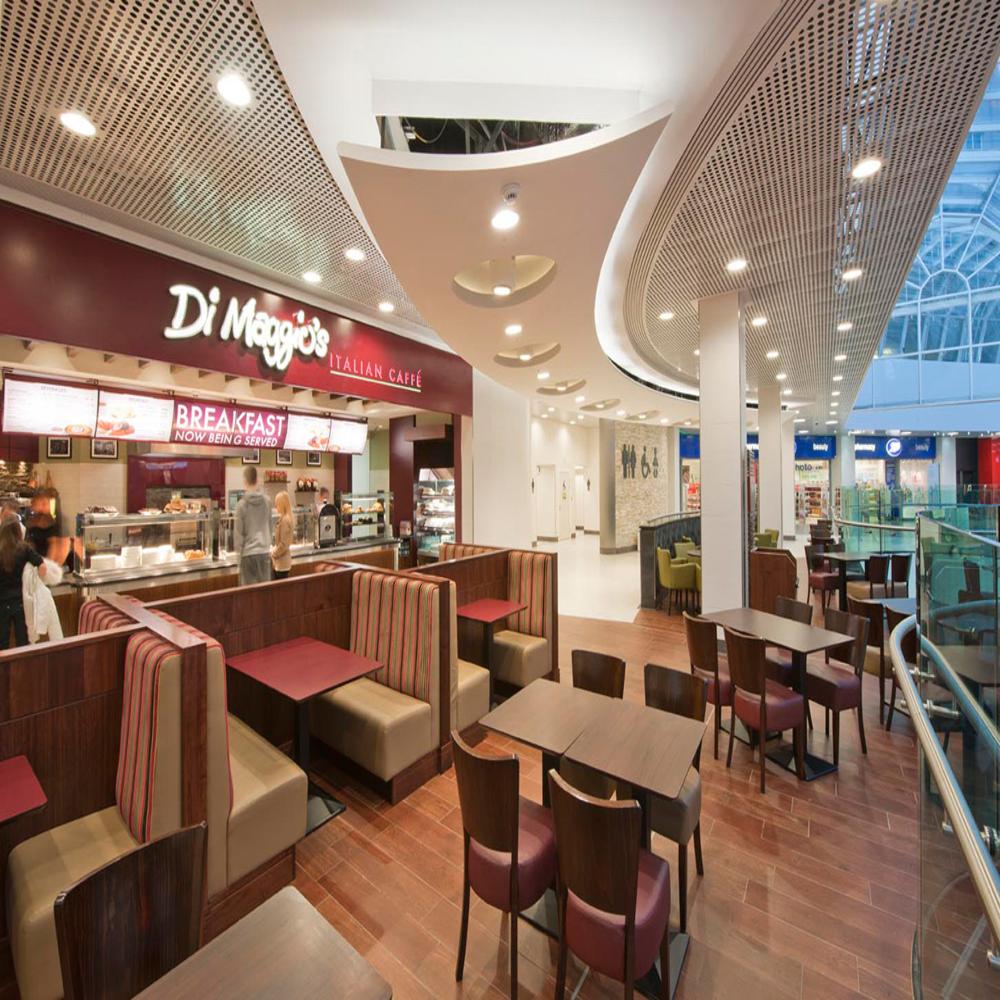
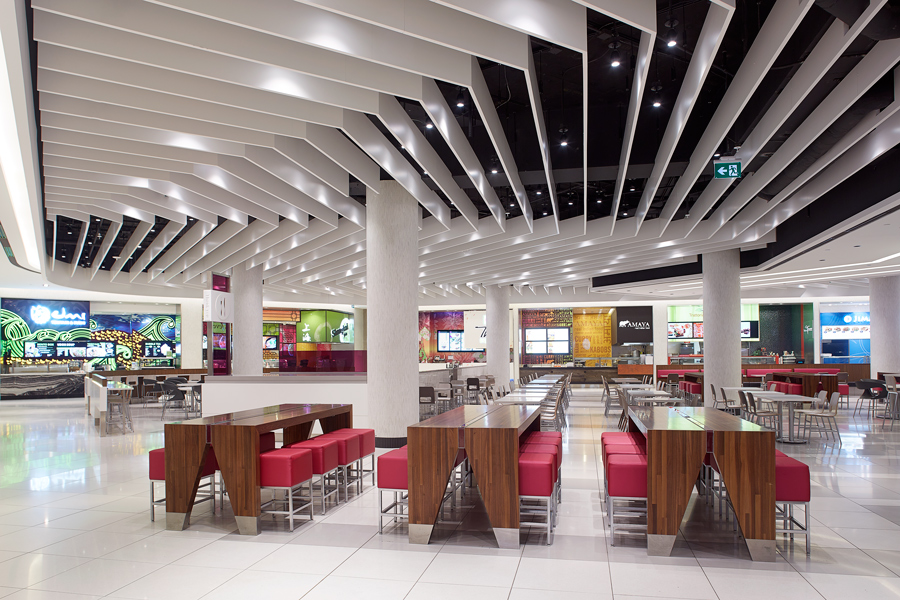
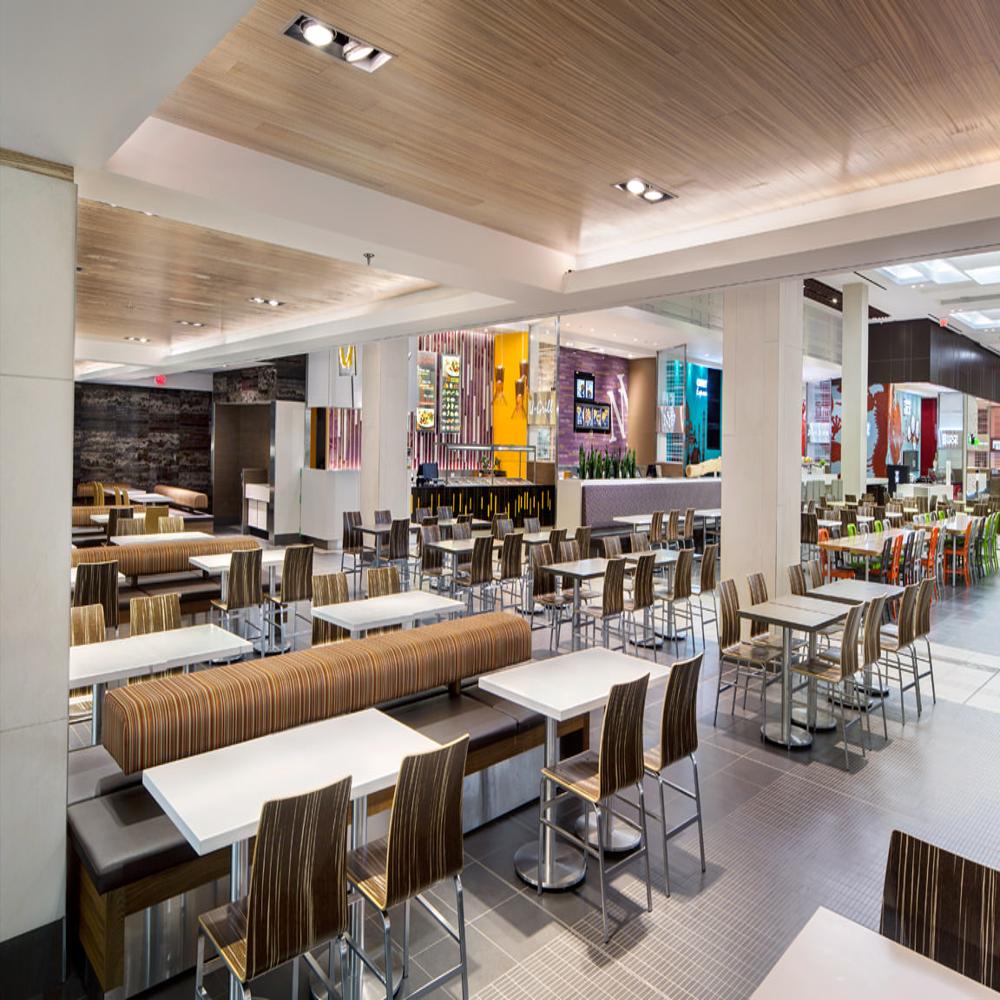
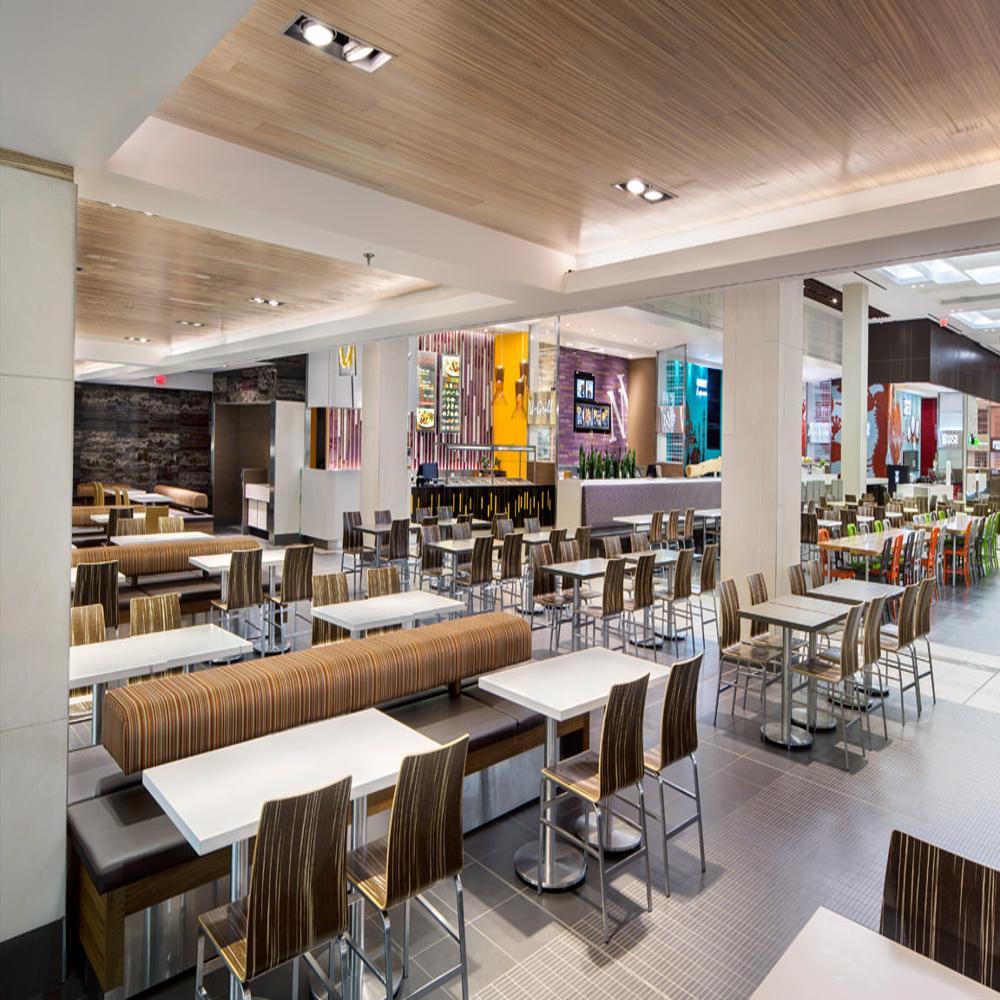
A modern food court interior is designed as a vibrant, communal hub featuring a central, flexible seating zone surrounded by diverse, branded food vendors. Key elements include varied seating (booths, communal tables), strategic lighting to create ambiance, durable materials, and intuitive wayfinding. Designs often incorporate biophilic elements, such as plants, and sustainable materials to create a welcoming, "destination" experience rather than just a dining pit stop.
Key Interior Components & Trends
- Layout and Zoning: Circular or open configurations are common to maximize views of vendors and improve flow. Layouts typically feature a large, open seating atrium designed to handle high traffic.
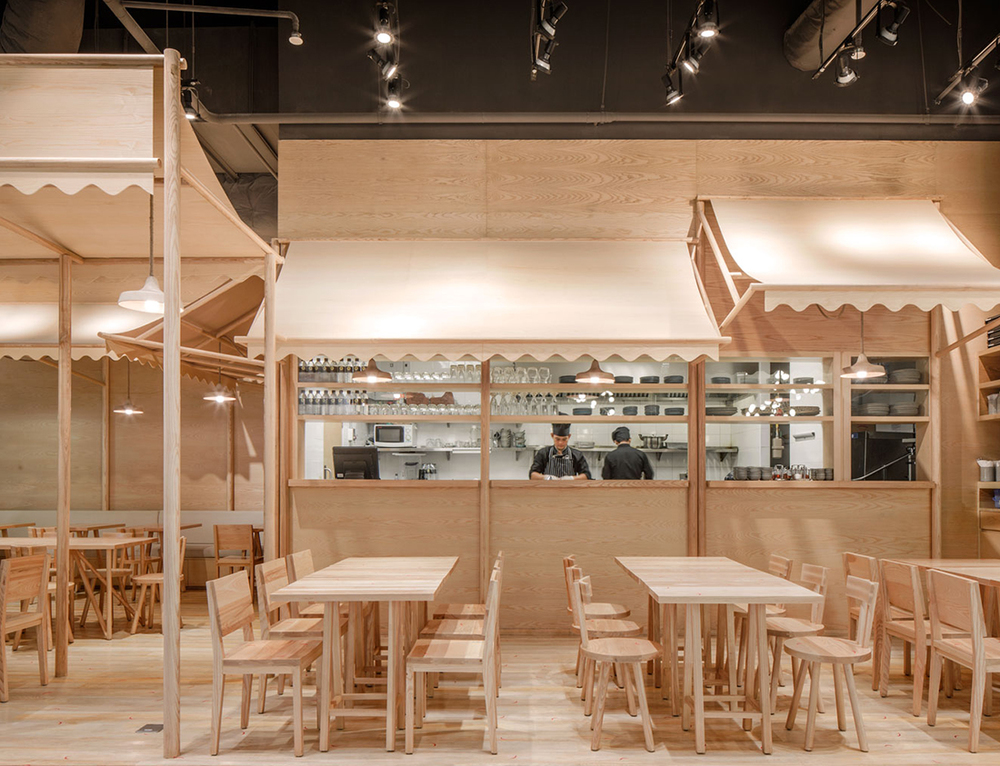
- Seating Diversity: To cater to varied users, spaces often mix high bar counters, intimate booths, and large, long "communal" tables (often seating 4+), encouraging a shared experience.
- Lighting and Atmosphere: A layered lighting approach is used, combining natural light (skylights) with ambient overhead, accent lighting over tables, and spotlighting at food counters.
- Material Selection: Durable, stylish materials like matte marble, steel, and textured tiles are popular for counters. Natural elements and warm textures are used to make the environment more comfortable.
- Design Styles:
- Modern Minimalism: Clean lines, neutral colors (white, beige, grey), creating a sense of order.
- Loft/Industrial: Exposed pipes, brick walls, metal structures.
- Eco-Design: Living plants, natural wood, sustainable materials.
- Curated Food Hall: Refined, unique thematic design prioritizing local, artisanal, and "Instagrammable" aesthetics.
- Technology Integration: Modern, clean, and functional, with hidden utilities and integrated tech.
- Acoustics: Use of ceiling baffles and sound-dampening materials is essential to minimize noise.
Contemporary Design and Superior MaterialsOur interiors are crafted using premium materials such as high-quality wood, glass, stainless steel, and modern laminates. The matte and gloss surface finishes create a refined ambiance, while sturdy construction ensures long-lasting performance in busy commercial spaces. Integrated LED ambient lighting further enhances the visual appeal and functionality of each area.
Ergonomic and Flexible Seating SolutionsWe offer a range of seating arrangements designed for both comfort and practicality. The ergonomic layouts can be customized to fit any food court or cafeteria, maximizing space and accommodating varying group sizes. These flexible configurations make our solutions ideal for dynamic dining environments that see high visitor turnover.
Safety, Durability, and Easy MaintenanceThe use of fire-retardant materials and robust surfaces means our food court interiors are not only safe but also built to endure the demands of heavy daily traffic. Maintenance is simple, thanks to surfaces that are easy to clean and designed for quick upkeep, ensuring hygiene and a consistent fresh look.
FAQ's of FOOD COURT INTERIOR:
Q: How does the installation process for food court interiors work?
A: Installation is managed through on-site assembly, where our skilled team ensures seamless integration of all components. The process is coordinated with clients to minimize disruption and ensure that the final setup meets all design and functional requirements.
Q: What material options are available for customizing the food court interior?
A: We offer a selection of high-quality wood, glass, stainless steel, and laminates with both matte and gloss finishes. Color choices are fully customizable, allowing clients to match their branding or aesthetic preferences.
Q: When is it suitable to use these interior solutions in a commercial environment?
A: Our interiors are ideal for any commercial food-focused area, including food courts, cafeterias, and malls. They are especially recommended for spaces that experience heavy foot traffic due to their durability and ergonomic design.
Q: Where can these food court interiors be used most effectively?
A: These interiors are best utilized in commercial venues such as shopping malls, large office buildings, airports, and high-traffic cafeteria spaces, offering a blend of style, comfort, and resilience.
Q: What benefits do integrated LED ambient lighting and ergonomic design provide?
A: Integrated LED lighting enhances the ambiance and visibility, creating a pleasant dining atmosphere. The ergonomic design improves comfort for customers, encouraging longer stays and higher satisfaction rates.
Q: How easy is it to maintain the food court interiors?
A: All surfaces are designed to be easy to clean, making daily maintenance simple and efficient. The use of high-quality finishes ensures resistance to stains, scratches, and general wear, supporting hygiene standards and lasting appearance.
Q: Can the seating arrangements and finishes be tailored for my specific requirements?
A: Yes. We offer extensive customization, allowing you to personalize seating layouts, finishes, and color choices to meet your venue's unique needs and branding.



 Send Inquiry

 Send Inquiry