DEPARTMENTAL STORE INTERIOR About
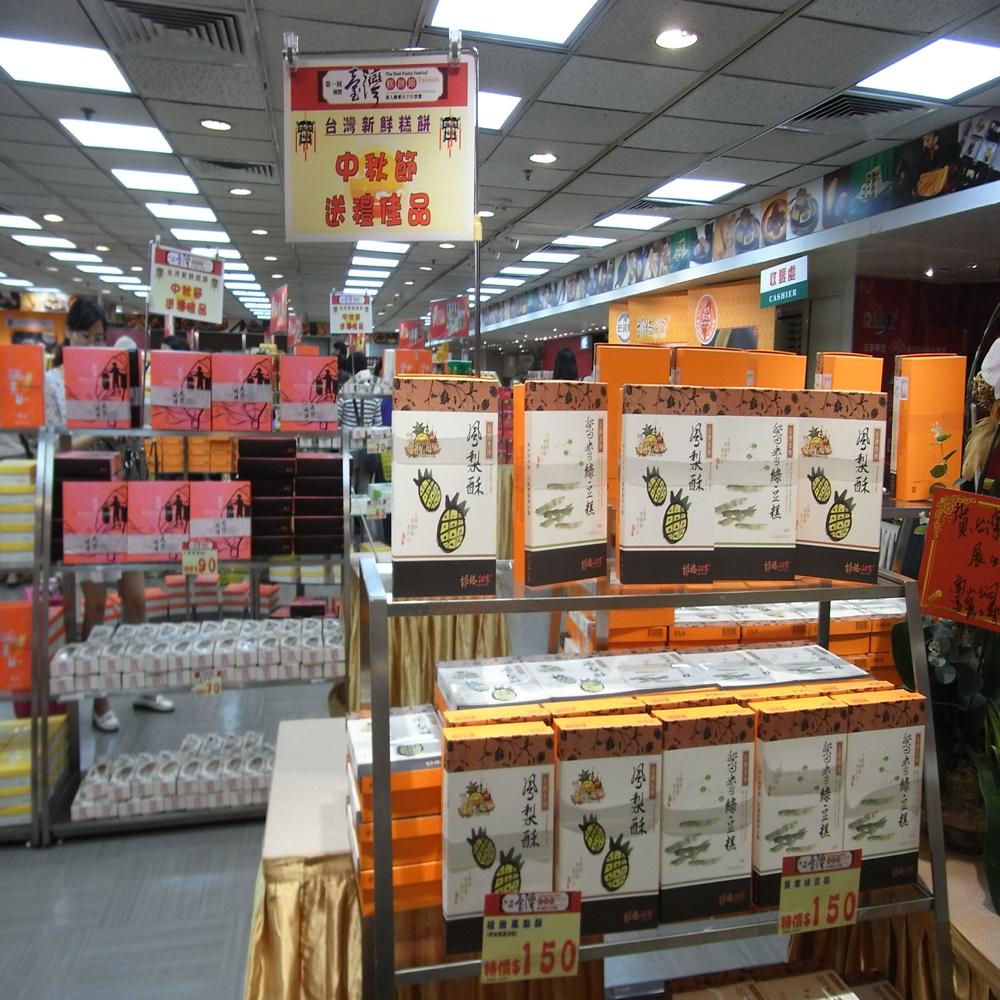
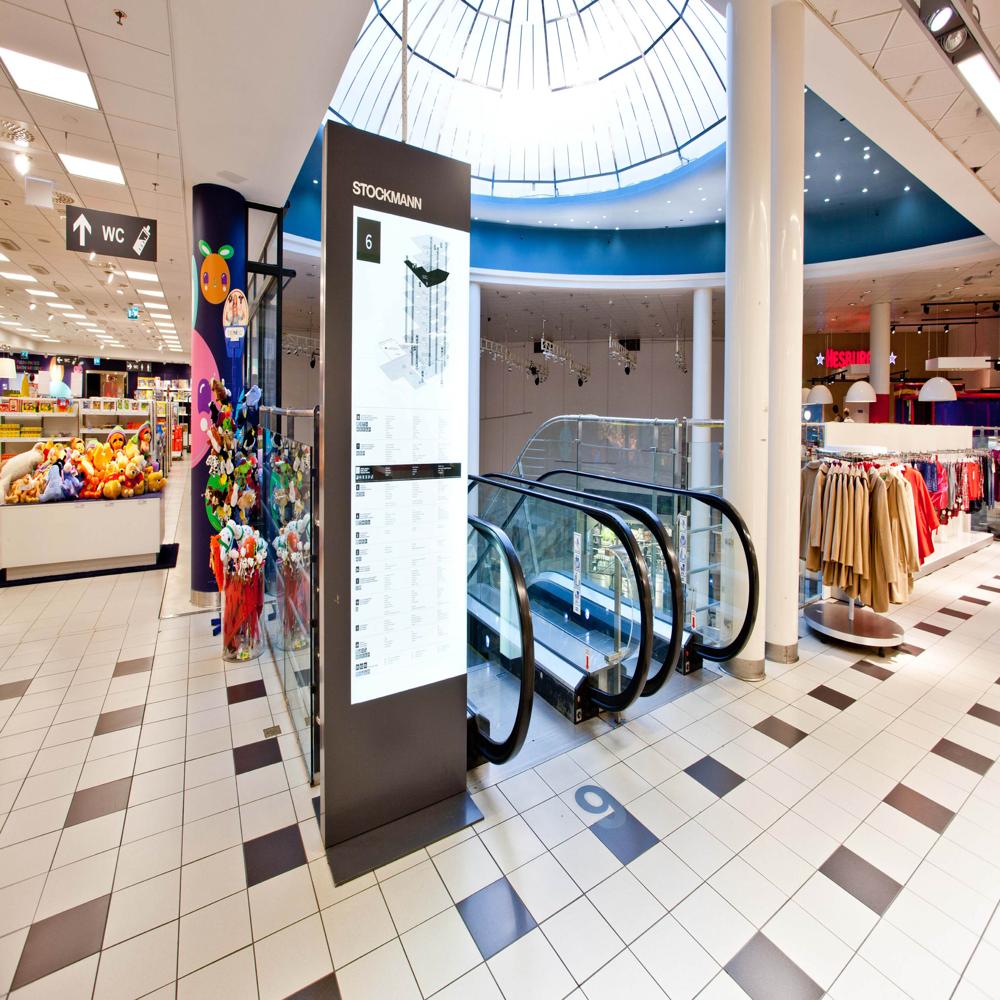
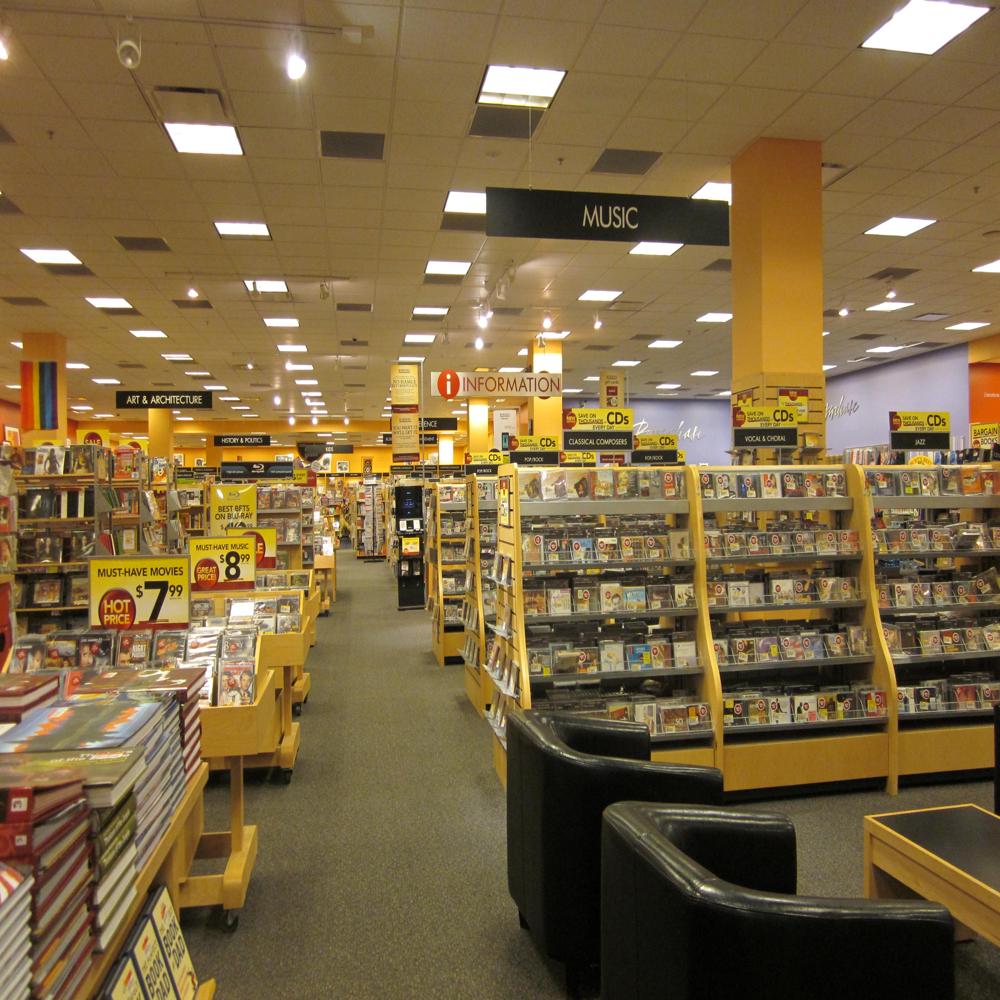
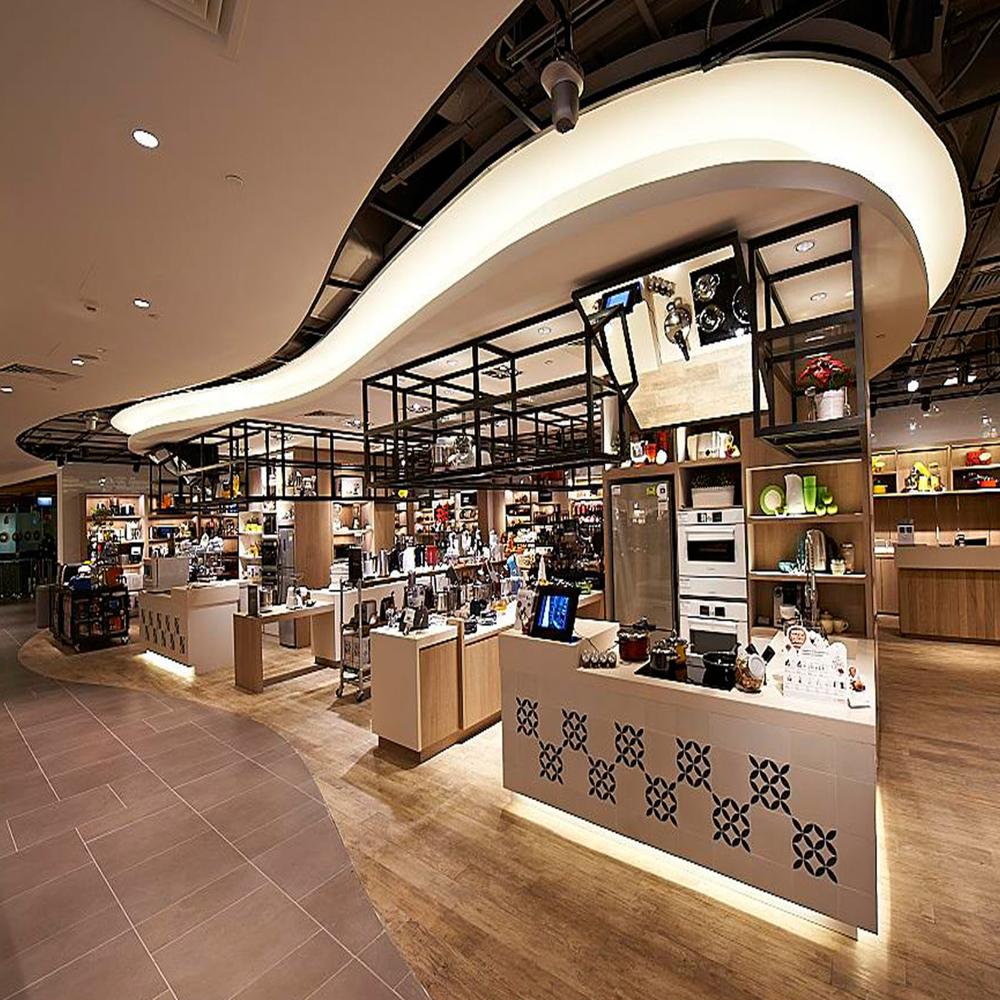
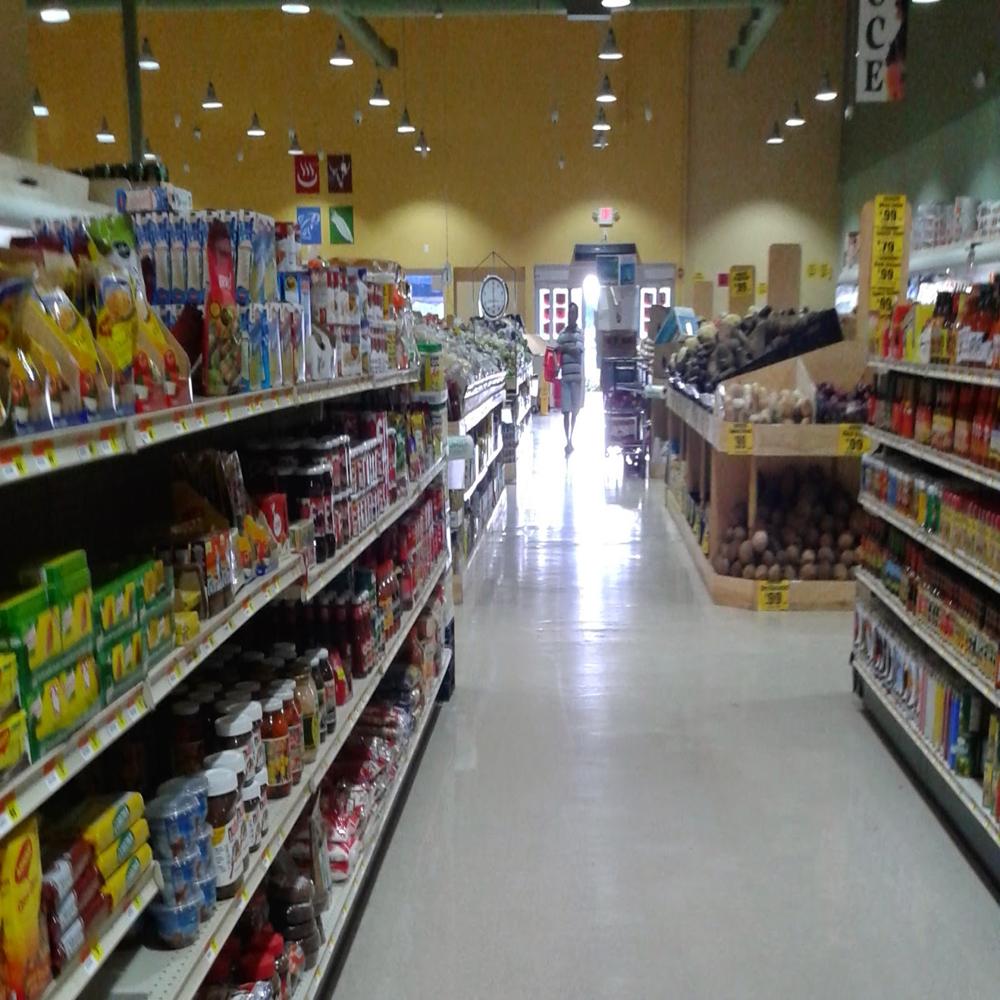
Modern departmental store interiors are designed for maximum visibility, organized flow, and a comfortable customer experience, utilizing bright,, uniform lighting, wide, clutter-free aisles, and strategically zoned departments. Key elements include durable, custom shelving (often termite-resistant wood or metal), clear, thematic signage, and high-impact, organized displays for high-volume, diverse product categories.
Key interior features commonly seen in [departmental store designs (e.g., The Monarch Enterprises)](0.5.5) include:
- Layout Strategies:
- Grid Layout: Often used in supermarkets for maximizing product storage in parallel aisles, facilitating easy navigation, and enhancing inventory control.
- Racetrack (Loop) Layout: Guides customers around the entire store, forcing exposure to all categories.
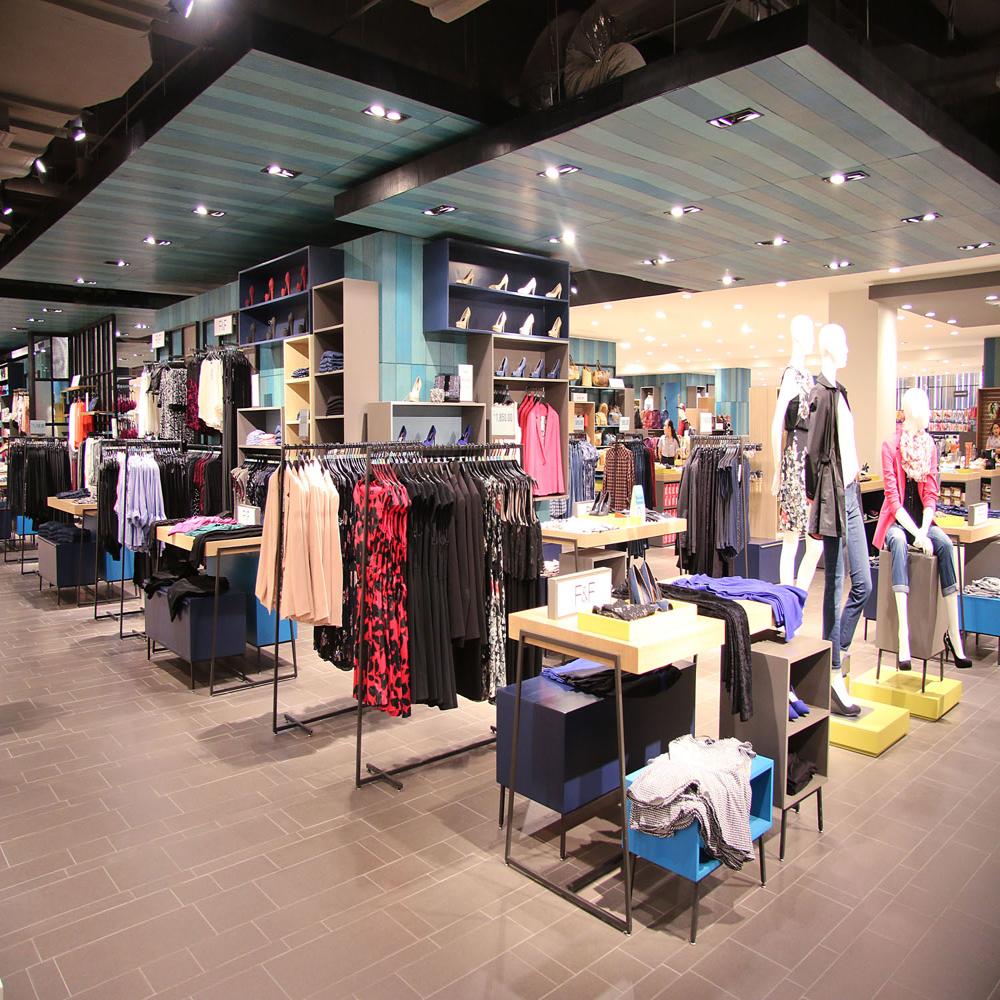
- Free-Flow Layout: Encourages browsing and casual shopping, usually in higher-end or boutique sections.
- Lighting & Atmosphere: Bright, high-ventilation, and white-light systems are used to make products appear fresh and inviting. Accent lighting is often used in specialized departments like jewelry or electronics.
- Fixtures & Displays:
- Custom Shelving: Durable and adjustable units designed to fit specific products, allowing for easy restocking.
- End-Cap Displays: Used at the ends of aisles to highlight special offers, seasonal items, or promotions.
- POS Stations: Elegant, uncluttered checkout counters with, sometimes, integrated digital screens for branding.
- Zoning: Distinct areas for apparel, home goods, food/produce, and personal care, often with branded color themes and clear directional signage to improve navigation.
- Materials: Durable and hygienic materials such as vinyl flooring, metallic shelving, and easy-to-clean laminates are standard for high-traffic areas.
-
Departmental Store Interior Design & Layout Solutions in India
Modern Departmental Store Interior Design * Custom Shelving & Retail Display Systems. We design and install durable shelving, rack...
-
Small Departmental Store Design Guide: Layouts & Furniture
Optimizing Store Layout for Small Spaces The floor plan is the skeleton of your store. In a compact environment, space planning for...
-
Top Departmental Store Design Ideas to Strategic Department Store Layout Design in India Designing a departmental store is more than just arranging shelves; it's about c...
Customizable Modern DesignsTransform your retail space with tailored interiors that match your store's brand and operational needs. Our modular solutions allow flexibility in shelving, counters, and finishes, offering multiple color options and personalized store branding for a cohesive, attractive look.
Durable Materials and Superior FinishingBuilt using high-quality wood, glass, metal, MDF, and laminates, every structure guarantees strength and longevity. With edge banding and fire-retardant options, our interiors remain safe, reliable, and low-maintenance, ensuring performance in busy commercial settings.
Efficient Lighting and Display SolutionsIntegrated LED lighting, cove lights, and spotlights ensure that every product category is represented optimally. Adjustable and fixed shelving units, along with specialized display racks and counters, create an engaging and organized shopping experience for customers.
FAQ's of DEPARTMENTAL STORE INTERIOR:
Q: How can the departmental store interiors be customized for my retail space?
A: Our solutions provide full customization in dimensions, color options, shelving type, and counter designs to suit your store's unique requirements. We also offer branding options for incorporating your store logo and specific aesthetic preferences.
Q: What materials are used, and how do they benefit my store?
A: We use premium materials like wood, glass, metal, MDF, and laminates, which ensure structural strength, durability, and a variety of finishes. These materials also offer options for fire resistance and easy maintenance, thus enhancing safety and convenience.
Q: When is installation provided and what does it include?
A: Installation services are available on-site and are scheduled according to your store's readiness and convenience. Our team ensures seamless assembly, including shelving, counters, lighting, and finishing touches, whether dispatched in a knockdown or pre-assembled state.
Q: Where can these interiors be used, and are they suitable for high-traffic stores?
A: These interiors are designed for retail and commercial spaces, especially busy departmental stores. The robust construction, fire-retardant materials (on request), and premium finishes make them ideal for high-traffic environments.
Q: What is the process for designing and installing the interior?
A: Our process starts with a consultation to assess your needs, followed by design customization, material selection, and production. We offer delivery, on-site installation, and post-installation support to ensure your store is optimally set up.
Q: How do adjustable and fixed shelving units enhance store usage?
A: Adjustable and fixed shelving allow you to efficiently organize and display various product categories, optimizing space and presentation. This flexibility supports changes in inventory and store layout, ensuring an adaptable retail environment.
Q: What are the main benefits of choosing your departmental store interior solutions?
A: You benefit from durable, modern, and customizable designs, easy maintenance, integrated lighting, and professional installation. Your store gains a premium look, better organization, and a shopping environment tailored to your brand and customers.



 Send Inquiry

 Send Inquiry