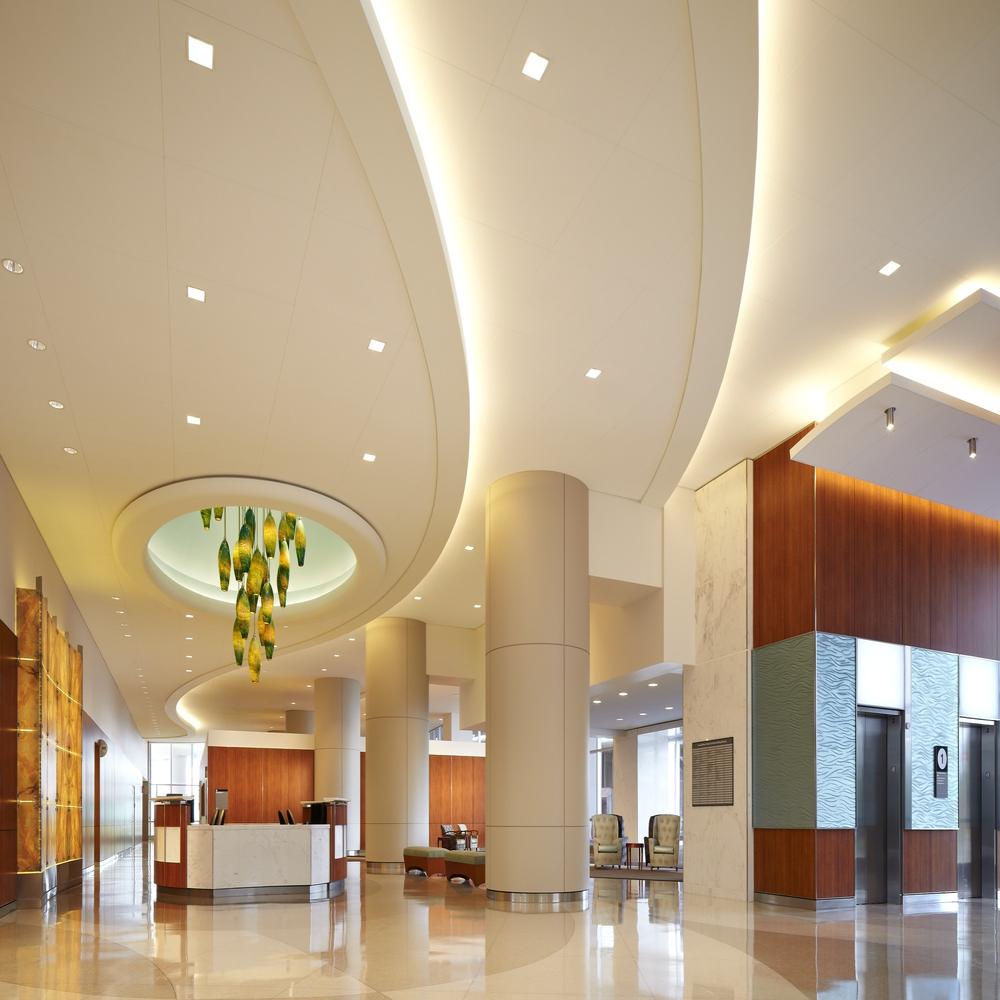
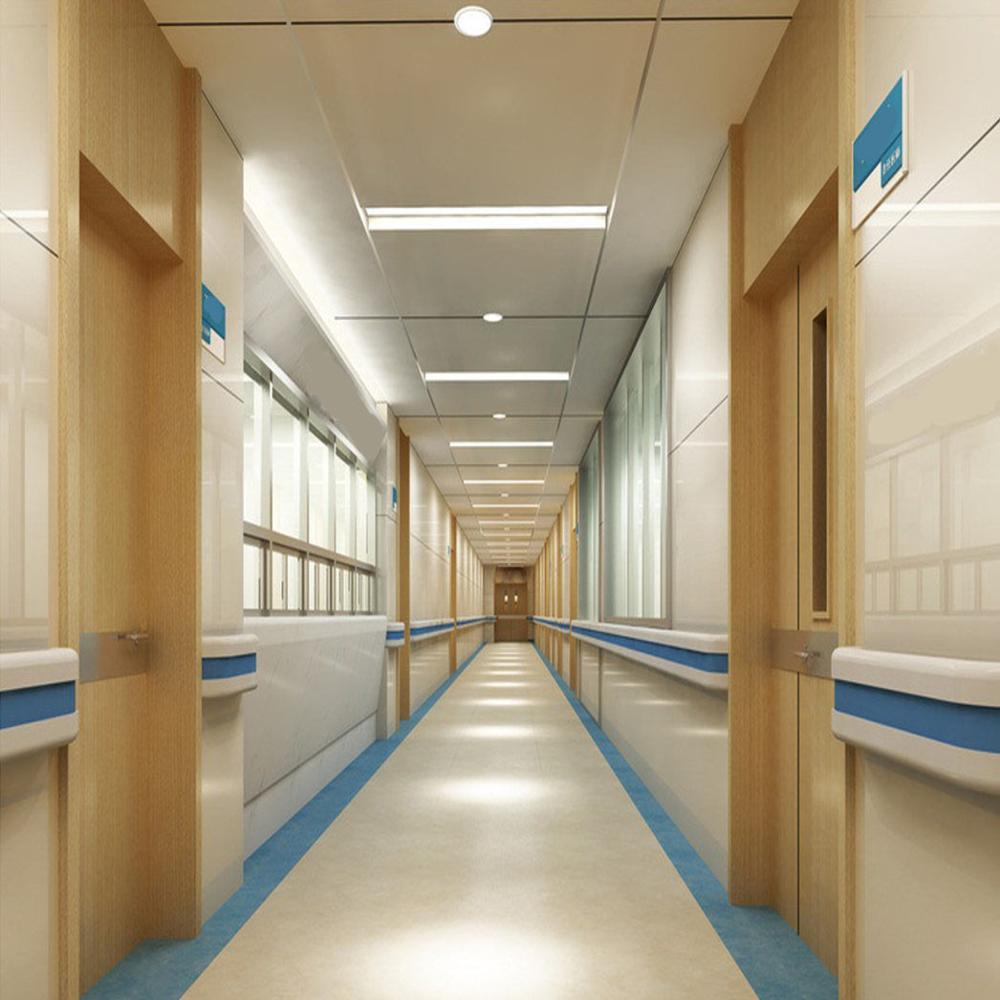
Hospital interior design creates safe, sterile, and soothing environments that promote healing. It balances strict clinical efficiency with patient comfort by utilizing infection-resistant materials, soothing color palettes, acoustic controls, and intuitive layouts that reduce anxiety and support both patients and healthcare workers.
A well-designed healthcare space carefully balances functionality with psychological well-being. Core elements of hospital interiors include:
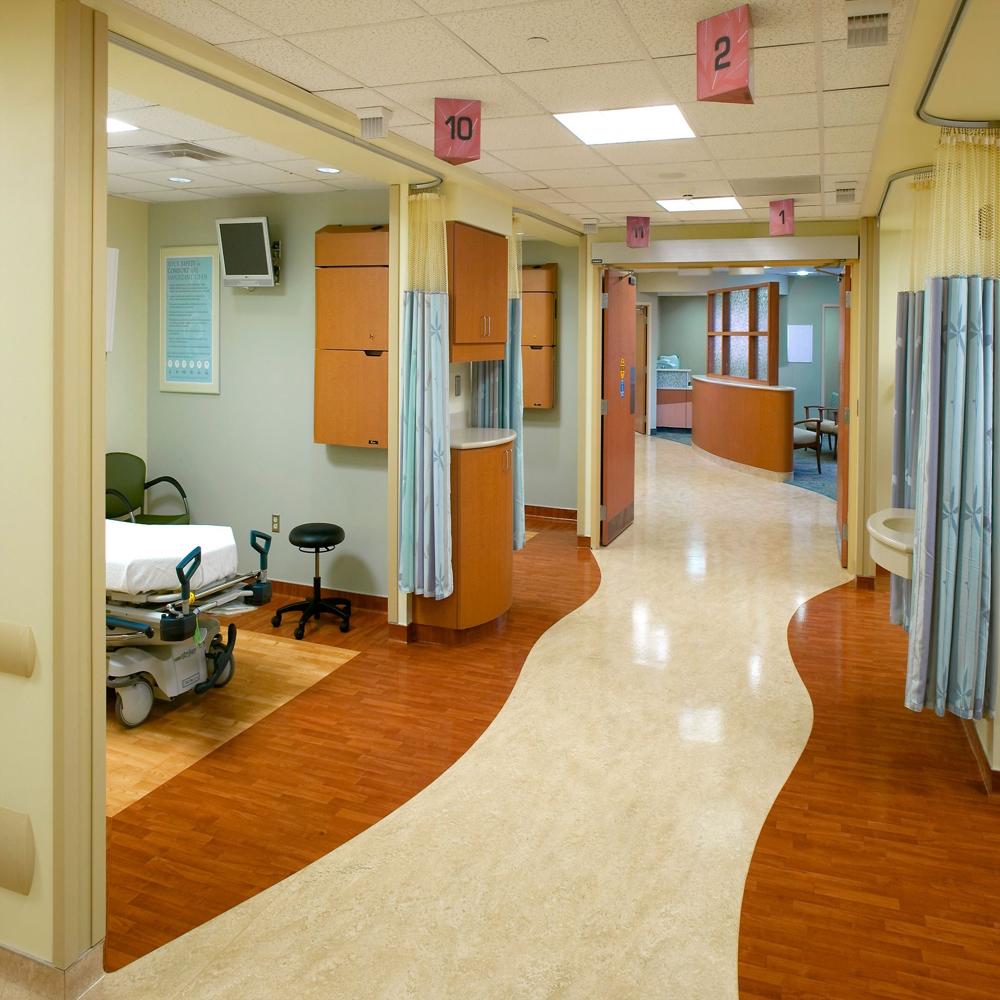
- Color Psychology: Soft blues and greens are often used in patient and recovery rooms to promote relaxation and lower stress. Brighter, uplifting hues are typically reserved for waiting areas to provide cheer and optimism.
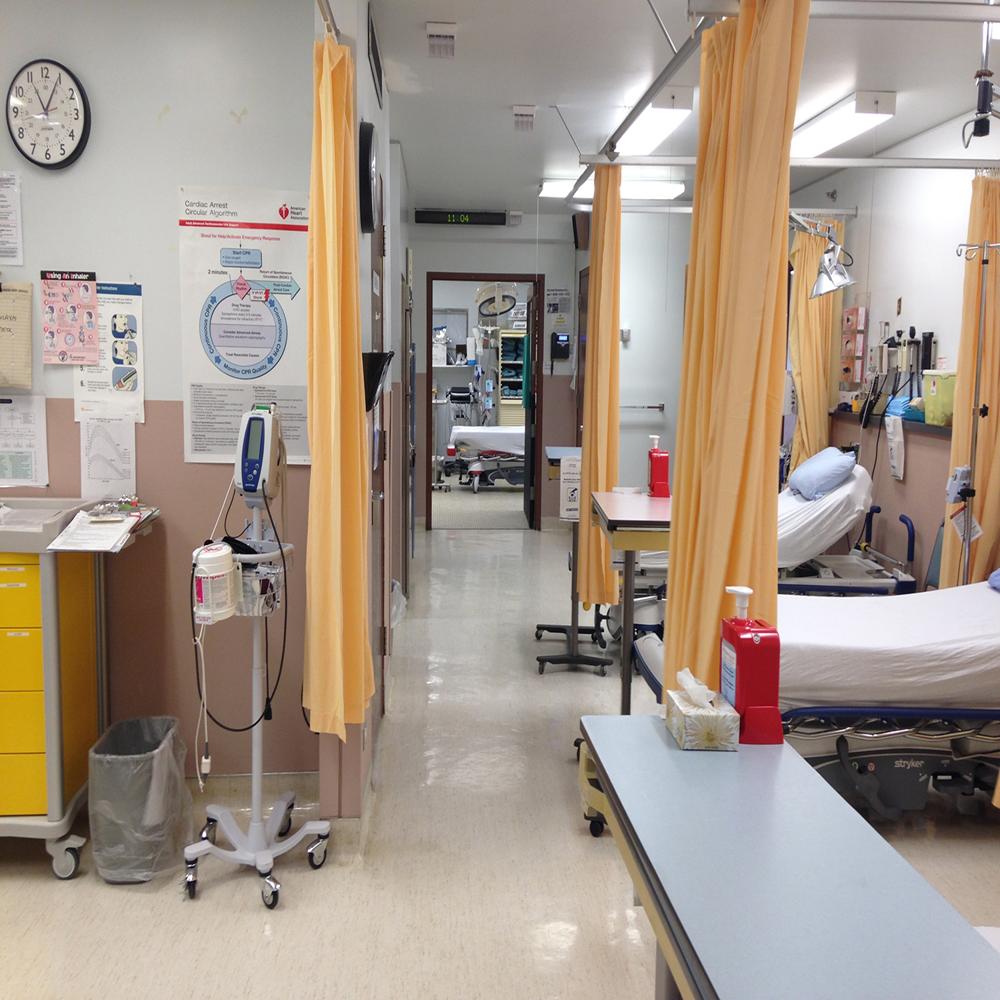
- Infection Control: Surfaces are designed to be smooth, antimicrobial, and non-porous (e.g., solid surface flooring instead of carpets) to minimize bacteria harboring and facilitate easy sanitation.
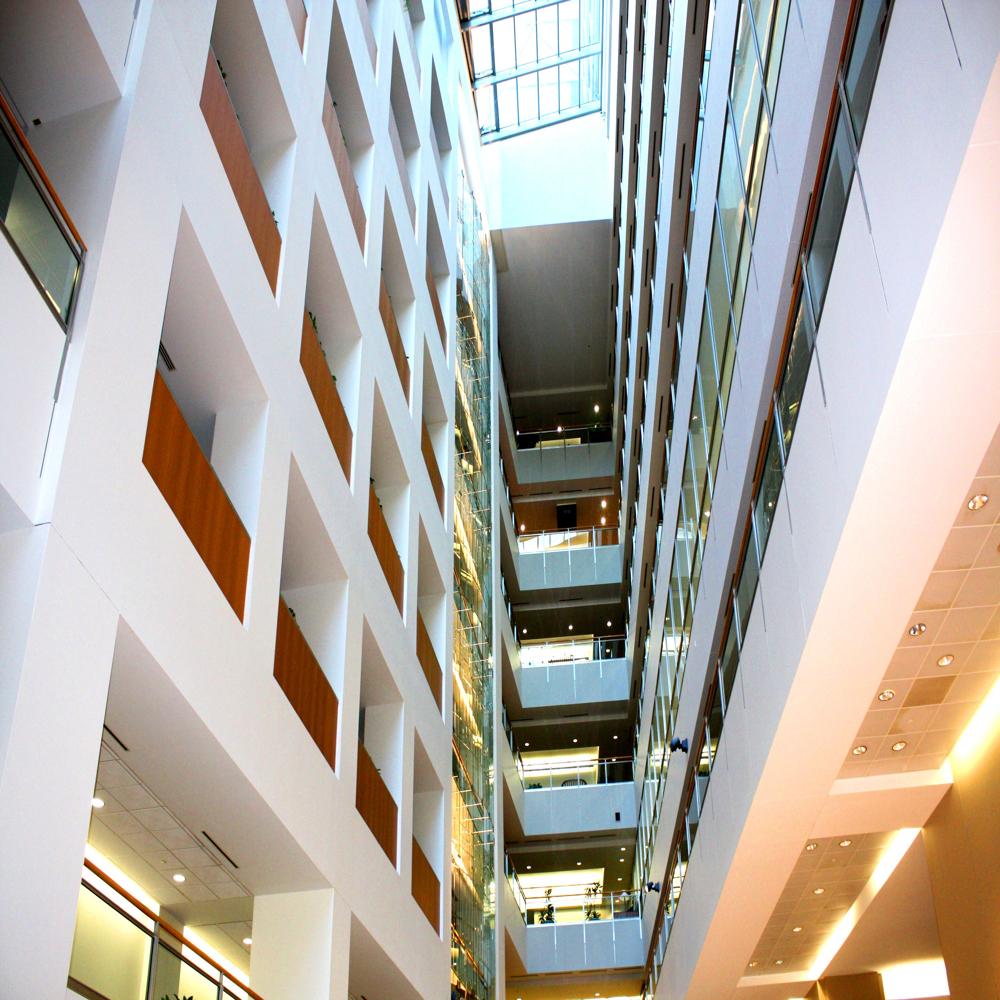
- Acoustic & Lighting Control: Acoustic ceiling panels, sound-absorbing wall finishes, and quiet HVAC systems reduce noise pollution. Maximum use of natural light, combined with non-glare artificial lighting, is utilized to regulate circadian rhythms and improve patient moods.
- Patient-Centric Layouts: Rooms feature anti-skid flooring, rounded furniture edges, clear movement paths for staff, and easily reachable controls for beds, lighting, and emergency buttons.
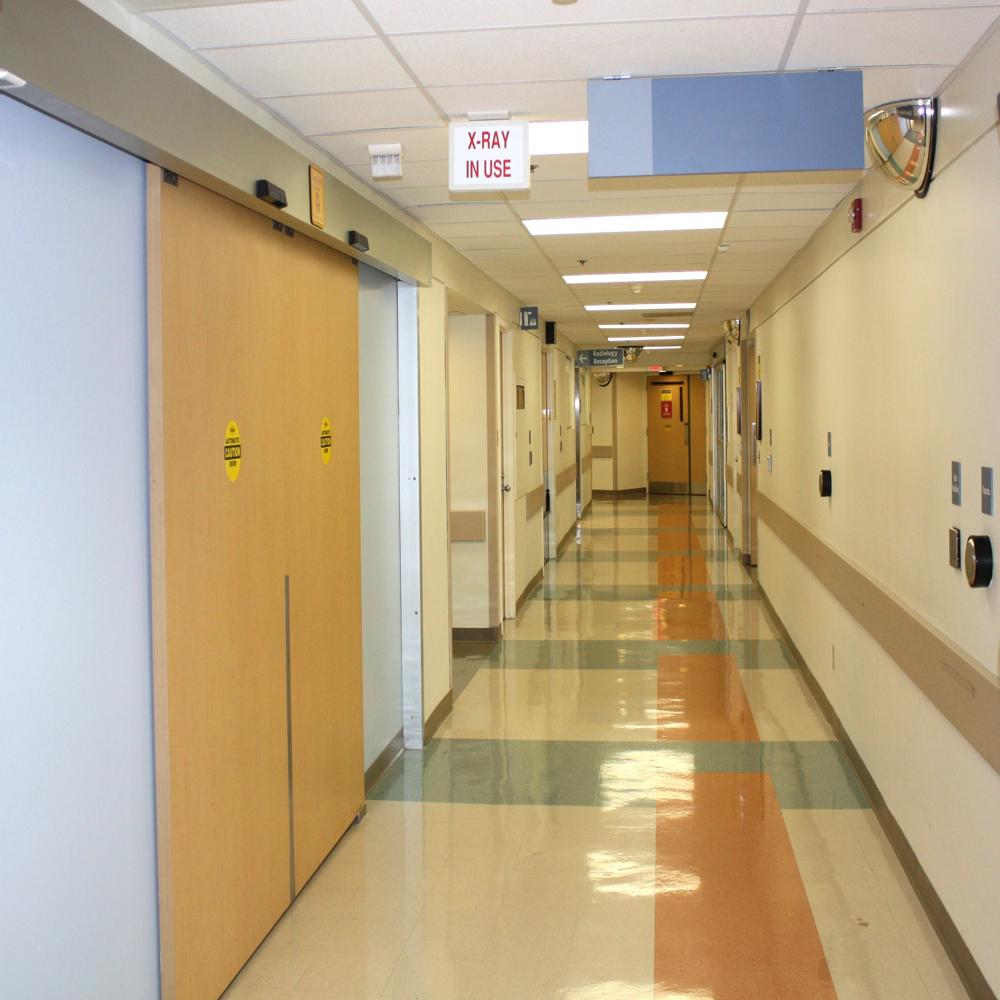
- Wayfinding & Spatial Flow: Intuitive layouts and clear signage prevent confusion, helping elderly or mobility-impaired patients navigate the facility effortlessly.
Resources for planning healthcare facilities often provide guidelines for designing these clinical environments. To understand the foundational guidelines and rules for shaping these spaces, refer to ACME Hospital Projects. For additional inspiration and planning frameworks, explore Creatabar or review the insights shared by Goldmine Project Consultant.



 Send Inquiry


 Send Inquiry